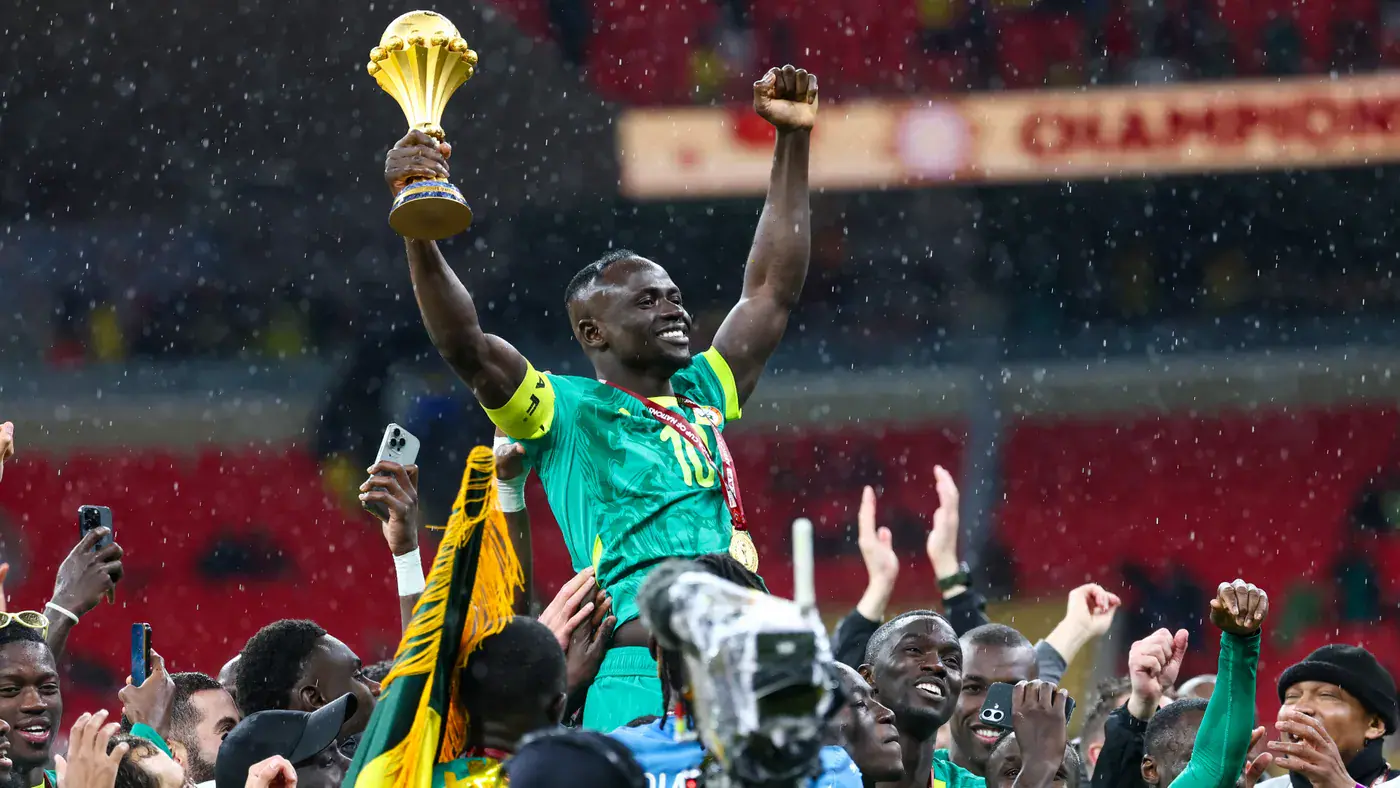
Serge Vittoz, the Swiss lawyer acting for the Senegalese Football Federation, has described how his side defended the Africa Cup of Nations title before the Court of Arbitration for Sport, which ruled in Senegal’s favour and left Morocco without the trophy.
Speaking to the Senegalese website Seneweb, Vittoz said the defence was anchored in Law 5 of the Laws of the Game, which places the referee in charge of how a match is conducted and of the calls made on the field.
The decisive element, he said, was that the official in the final opted to restart the game and see it through to the end. Senegal’s team argued that this fell within his remit to run the match, and was not something that could be undone because one of the sides was unhappy with events on the pitch.
That argument, according to Vittoz, was central to answering Morocco’s reliance on the tournament regulations in their attempt to claim the result.
Morocco built its case on a literal reading of Articles 82 and 84 of the Africa Cup of Nations regulations, the lawyer said. Those provisions deal with matches that do not begin or are not completed, including situations in which a team leaves the field for good, and they set out how the result of an incomplete game is determined.
Vittoz rejected that application, pointing again to the referee’s decision to resume and finish the match. The dispute therefore turned on how to classify what happened in the final: whether it belonged among the cases covered by Articles 82 and 84, or whether the referee’s handling of the restart and the closing stages stayed within his Law 5 powers.
The Senegalese side came away from the hearing on 8 October feeling confident, he said, and the eventual award brought considerable relief to the federation after a complicated legal fight.
Vittoz also addressed the 2016 match between South Africa and Senegal, which was replayed after the Ghanaian referee Joseph Lamptey was found to have been involved in manipulating the result and was banned for life. He said that affair bore no comparison with the final: it rested on proven corruption by an official, an exceptional ground for revisiting a score. No equivalent circumstance existed in the Morocco case, in his view.
He further separated the sanctions the Confederation of African Football imposed on members of the Senegal squad from the question of the result. CAF suspended coach Pape Thiaw for five matches and handed one-match bans to Ismaila Sarr and Iliman Ndiaye, and also fined the federation. “But this has nothing to do with determining whether or not the match reached its conclusion,” Vittoz said.
The lawyer conceded that Senegal could have lost the final on the field had Brahim Diaz converted the penalty awarded to Morocco during the game, drawing a distinction between the sporting outcome and the legal battle before the court. He added that a strict reading of Articles 82 and 84 could have changed the outcome of the case.
On any further challenge, Vittoz said the Swiss Federal Supreme Court is the only avenue open to Morocco, and rated the prospects as very limited. That court does not re-examine the substance of a sports case or revisit the facts, he explained; its scrutiny is confined to particular legal and procedural grounds concerning whether the ruling is sound. Disagreement with how the Court of Arbitration for Sport read the regulations would not by itself be enough, and Morocco would need a legal ground that falls within the scope of that review.
A challenge there would constitute a distinct legal proceeding governed by its own rules.